Follow Me On Social Media!

Gluten-Free Pizza Dough That Will Blow Your Mind

Introduction to Gluten-Free Pizza Dough
Imagine a Friday night, the aroma of freshly baked gluten-free pizza dough wafting through your kitchen, beckoning friends and family to gather around the table. This is the allure of homemade pizza—the joy of crafting something delicious with your own hands, the satisfaction of sharing it with those you love. When you make your own pizza dough, especially in a gluten-free version, you don’t just delight your taste buds; you also control the ingredients, ensuring that every bite is tailored to your dietary needs and preferences.
Gluten-free living has come a long way, and pizza night shouldn’t feel like a compromise. Creating a gluten-free pizza dough at home isn’t just easy; it can transform your eating experience. Many people assume that gluten-free options compromise flavor and texture, but once you knead your own dough, you might just find yourself enjoying a uniquely delightful alternative.
What’s the allure of homemade pizza?
There’s something magical about the process of making pizza from scratch. From mixing the flour to waiting for the dough to rise, each step builds anticipation and excitement. Plus, the ultimate advantage lies in the versatility of toppings. Whether you prefer a classic Margherita with fresh basil and mozzarella or a gourmet option loaded with roasted vegetables and artisanal cheeses, the sky’s the limit.
When you create your own gluten-free pizza dough, you get a chance to experiment too. This journey doesn’t just stop with pizza; it opens the door to other gluten-free delights. Plus, it’s a great way to impress your friends and family at gatherings while catering to dietary restrictions without sacrificing flavor.
As you embark on this culinary adventure, keep in mind that each ingredient plays a crucial role, from the type of flour to the rising agents and seasonings. You’ll soon discover that crafting the perfect gluten-free pizza dough is not only a rewarding experience but also an invitation to endless creativity in the kitchen. So, let’s roll up our sleeves and dive into how to create this delightful dough!
Key Ingredients for Gluten-Free Pizza Dough
Creating the perfect gluten-free pizza dough is much like weaving a tapestry; every ingredient plays a vital role in achieving that delightful balance of flavor and texture. Here’s a closer look at the essential components that will elevate your pizza night.
Gluten-Free Flour Blend: The heart of any gluten-free pizza dough is a high-quality flour blend. Look for one that includes a mix of rice flour, tapioca flour, and potato starch. This combination mimics the elasticity of traditional dough without the gluten.
Yeast: Fresh or active dry yeast is crucial for making your dough rise. It brings that airy, light texture that we all love in pizza crust. Be sure to activate it in warm water before mixing to ensure it’s lively and ready to work its magic.
Olive Oil: A splash of olive oil not only adds flavor but also helps in achieving a tender crust. It gives the dough a nice richness and prevents it from becoming too dry.
Salt: Don’t overlook the importance of salt. It enhances the overall flavor and helps strengthen the dough. A pinch goes a long way in making your crust taste delicious.
Sugar: Just a dash of sugar feeds the yeast and assists in browning the crust, giving it that appetizing golden color.
With these ingredients in hand, you’re well on your way to making a mouthwatering gluten-free pizza dough that everyone can enjoy!
Why You’ll Love This Recipe
There’s something truly special about making your own gluten-free pizza dough. Imagine a cozy Friday night, the tantalizing aroma of freshly baked pizza wafting through your home, and the satisfaction of knowing you crafted the dough from scratch. This recipe is not just about gluten-free eating; it’s about enjoying a delicious meal with loved ones without compromise.
The beauty of this gluten-free pizza dough lies in its simplicity and flavor. Made with a perfect blend of gluten-free flours, it achieves that delightful chewy texture we all crave in pizza. You won’t find any funky ingredients here—just wholesome elements that make you feel good about what you’re eating.
- Versatile Base: Whether you’re in the mood for classic Margherita or a loaded veggie pie, this dough can handle it all.
- Easy to Customize: Top it with your favorites, from fresh herbs to gourmet cheeses, and cater to your palate perfectly.
- Perfect for Entertaining: This recipe is a crowd-pleaser—who doesn’t love pizza? It’s perfect for parties, casual dinners, or even a fun weeknight cooking challenge with friends.
In short, making your own gluten-free pizza dough brings joy, creativity, and delicious flavors to every meal. You won’t just love this recipe; you’ll relish every bite!

Variations on Gluten-Free Pizza Dough
When diving into the world of gluten-free pizza dough, creativity knows no bounds! Whether you’re craving a classic pie or something a little unique, there are plenty of ways to tailor your dough to suit your flavor profile. Here are some exciting variations to consider:
Cauliflower Crust
Cauliflower crust is a fantastic low-carb option that has become quite popular. Simply rice and steam cauliflower, then mix it with cheese and eggs for binding. The result is a light and crispy base that pairs beautifully with fresh toppings.
Chickpea Flour Dough
For a protein boost, chickpea flour (also known as besan) can be a great choice. Combine it with water and spices to create a naturally gluten-free pizza dough full of flavor. This variation adds a distinct nutty taste and a hearty texture that holds up well under sauce and toppings.
Almond Flour and Coconut Flour Mix
A mix of almond flour and coconut flour creates a rich and somewhat sweet dough. This combination provides healthy fats and a slight sweetness that pairs wonderfully with savory toppings. Just keep an eye on the ratios, as almond flour is denser and coconut flour absorbs more moisture.
Spaghetti Squash Base
If you want to take a creative route, try using a spaghetti squash base for your pizza dough. Roasted and shredded spaghetti squash mixed with cheese and spices creates a unique, veggie-packed alternative that complements lighter toppings perfectly.
Exploring these variations not only brings new flavors to your gluten-free pizza dough adventure but also helps cater to different dietary preferences. Enjoy mixing and matching to find your perfect pizza!
Cooking Tips and Notes for Gluten-Free Pizza Dough
Creating the perfect gluten-free pizza dough is a delightful journey filled with experimentation and personal flair. With a few expert tips, you can elevate your homemade pizza experience.
Choosing the Right Flour
Selecting a quality gluten-free flour blend is crucial. I recommend using a product that contains a mix of different flours like rice flour, tapioca flour, and potato starch. This combination helps achieve the right texture, balancing chewiness with crispiness.
Hydration is Key
When working with gluten-free dough, be mindful of hydration. Gluten-free flours often require more liquid than traditional flours. Start with the recommended water amount, but don’t hesitate to add a splash more if the dough feels too dry. A well-hydrated dough is easier to stretch and forms a better crust.
Let it Rise
Allowing your dough to rise properly is essential for flavor development. Even gluten-free dough benefits from a little time to rest and rise. Cover it with a damp cloth during this process to keep it moist.
Baking Tips
Preheat your oven thoroughly and consider using a pizza stone for the best results. This will mimic the heat of a restaurant oven and give your crust a wonderful crispness.
Experiment with Toppings
Don’t be afraid to get creative with toppings! Use fresh ingredients and experiment with sauces that complement the gluten-free pizza dough.
With these tips, you’re well on your way to crafting a delicious homemade pizza that everyone will love!
Serving Suggestions for Gluten-Free Pizza
There’s something truly special about making your own gluten-free pizza dough at home; it’s like crafting a culinary masterpiece tailored to your taste. Once you’ve perfected the crust, it’s time to elevate your pizza experience with delightful toppings and pairings that will wow your friends and family.
Classic Toppings
- Margherita Style: There’s nothing like fresh tomatoes, fragrant basil, and creamy mozzarella to highlight the delicious flavor of your gluten-free pizza dough. Drizzle with olive oil before serving for an authentic touch.
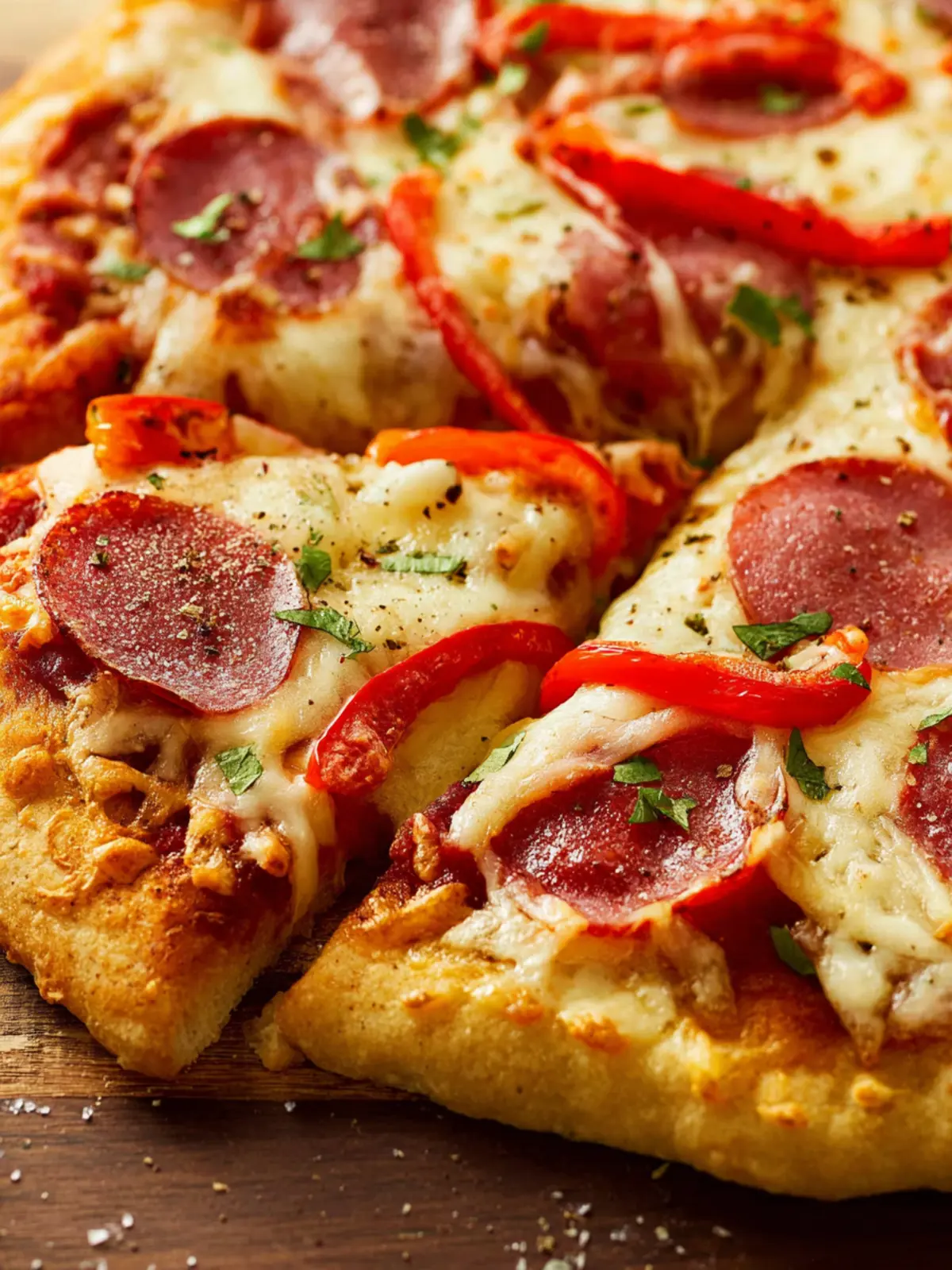
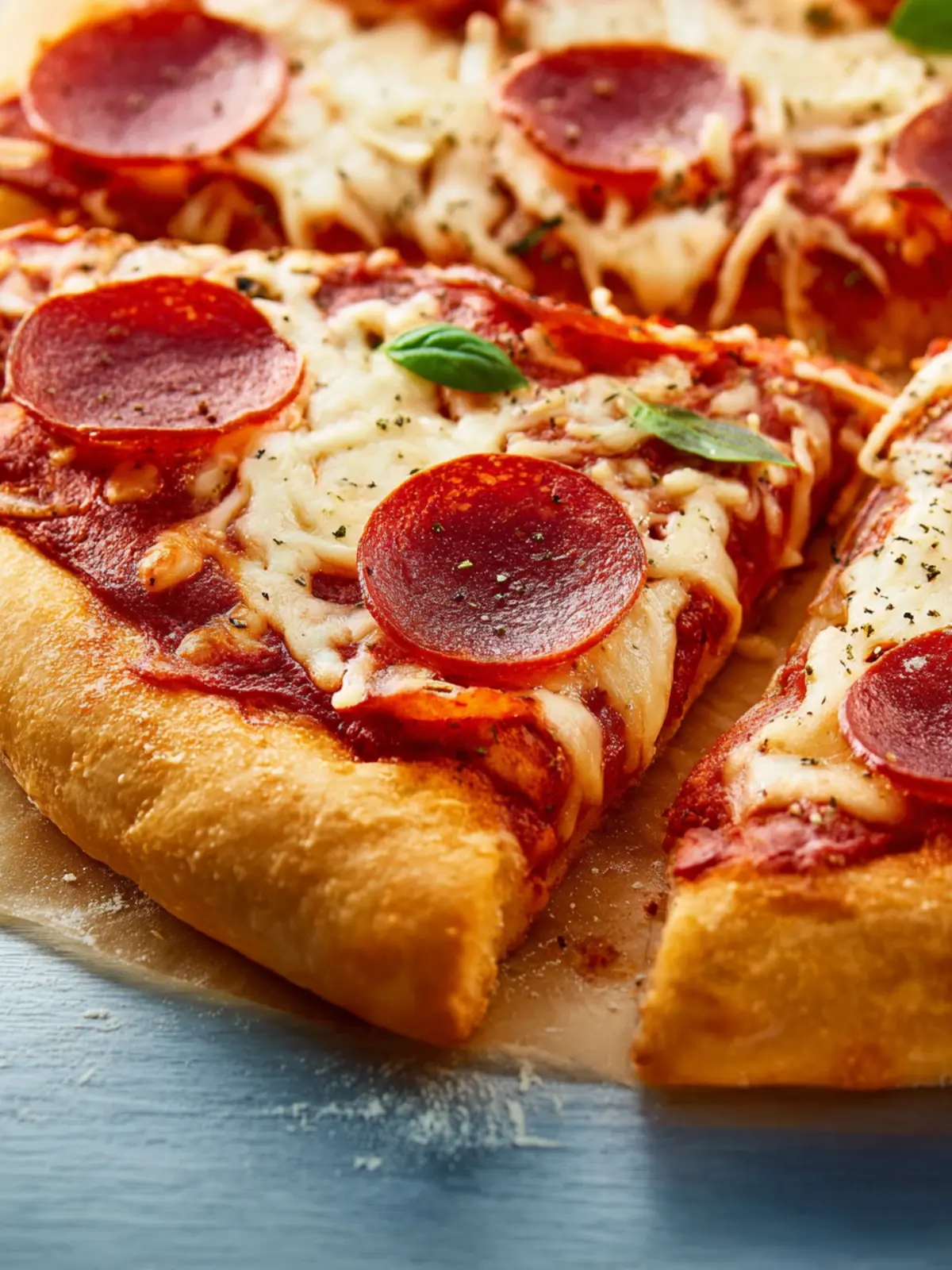
- Pepperoni and Cheese: This timeless combo never gets old. Use quality pepperoni to ensure that it crisps up perfectly, adding a nice texture contrast against the soft crust.
Unique Flavor Combinations
- BBQ Chicken: Spread a layer of barbecue sauce on your base, top it with grilled chicken, red onions, and cilantro for a sweet and savory twist.
- Mediterranean Delight: Think feta cheese, kalamata olives, artichoke hearts, and a sprinkle of oregano. This combination delivers a fresh and tangy flavor profile that dances on your palate.
Sides and Add-Ons
- Salad Pairings: A crisp arugula salad dressed with lemon vinaigrette complements the richness of the pizza beautifully, offering a refreshing counterpoint.
- Dipping Sauces: Think beyond traditional marinara. A garlic-infused olive oil or a zesty pesto makes for excellent dipping sauces that harmonize well with the gluten-free pizza dough.
Get creative with your toppings and enjoy experimenting with flavors, all while knowing that your homemade pizza is as satisfying as it is delicious!
Time Breakdown for Gluten-Free Pizza Dough
When you dive into making gluten-free pizza dough, it’s all about timing. Whether you’re cooking for a cozy night in or hosting friends, having a clear timeline can elevate your experience. Here’s how the time pans out:
Preparation Time
Setting aside about 15 minutes for preparation gives you ample time to gather your ingredients, mix them, and get the dough ready for its first rise.
Rising Time
The dough will need approximately 60 minutes to rise. This is the key phase where it expands, thanks to the interaction between the yeast and warm water.
Baking Time
Once your dough has risen, allow about 15-20 minutes for baking. This is when the magic happens, transforming your dough into a crispy, golden crust.
Total Time
In total, you’re looking at about 90-100 minutes from start to finish. With just a bit of patience, you can enjoy your delicious homemade gluten-free pizza!
Nutritional Facts for Gluten-Free Pizza Dough
When creating your delightful gluten-free pizza dough, it’s essential to understand its nutritional profile to make informed choices about your meal. This not only enhances your cooking experience but also allows you to enjoy pizza guilt-free.
Calories
Each serving of gluten-free pizza dough contains approximately 150 calories. This makes it a reasonable option for those watching their caloric intake but still wanting to indulge in a delicious pizza night.
Carbohydrates
You’ll find around 30 grams of carbohydrates in a standard serving of this gluten-free pizza dough. While this is higher than some other low-carb alternatives, it provides the necessary energy for your body, particularly if you’re pairing it with fresh vegetables and lean proteins.
Protein
In terms of protein, this dough packs about 4 grams per serving. Although it’s not a high-protein food, it complements the toppings that can boost your overall protein intake, making your pizza a more balanced meal when loaded with ingredients like chicken or cheese.
Understanding these nutritional aspects helps you enjoy your homemade gluten-free pizza while keeping your health goals in check!
FAQs about Gluten-Free Pizza Dough
When embarking on the delicious quest to create the perfect gluten-free pizza dough, it’s natural to have a few questions along the way. Below, you’ll find answers to some common inquiries that can enhance your pizza-making adventure.
Can I use other flours in this recipe?
Absolutely! While this recipe is developed for a specific blend of gluten-free flours, you can experiment with alternatives. You might try almond flour for a nuttier flavor or coconut flour for a slightly sweeter taste. Just remember that different flours absorb moisture differently, so you may need to adjust the liquid in your dough accordingly. A gluten-free all-purpose blend often yields the best results due to its balanced properties.
How do I store leftover pizza dough?
If you find yourself with extra gluten-free pizza dough, don’t fret! Simply wrap the dough tightly in plastic wrap or place it in an airtight container to keep it fresh. You can store it in the refrigerator for up to three days. If you want to save it for a longer period, consider freezing it! Just ensure that it’s well-wrapped to prevent freezer burn. When you’re ready to use it, thaw it in the fridge overnight, then bring it to room temperature before shaping.
Is gluten-free pizza dough more challenging to work with?
It can be, but don’t let that discourage you! Gluten-free pizza dough often behaves differently than traditional dough. It may be stickier and won’t stretch the same way. To make it easier to work with, keep your hands and surfaces lightly floured with a gluten-free blend while you shape it. With a bit of practice, you’ll find your rhythm, and creating gluten-free pizzas will become a breeze!
Conclusion on Gluten-Free Pizza Dough
Creating delectable gluten-free pizza dough is a game changer for pizza lovers who may have dietary restrictions. This versatile dough not only provides a satisfying base for your favorite toppings but can also be a delightful experience to make at home. By carefully selecting quality ingredients like almond flour or tapioca starch, you ensure that your pizza will be both tasty and healthy. I encourage you to experiment with various toppings and bake times, making each pizza uniquely yours. With just a little practice, you’ll find yourself crafting pizzas that impress your friends, family, and even yourself, one slice at a time.
Print
Gluten-Free Pizza Dough
- Total Time: 40 minutes
- Yield: 1 pizza crust 1x
- Diet: Gluten-Free
Description
This gluten-free pizza dough is easy to make and perfect for your favorite toppings.
Ingredients
Scale
- 2½ cups gluten-free all-purpose flour with xanthan gum
- 1 tbsp baking powder
- 1 tsp salt
- 2¼ tsp rapid yeast/instant yeast
- 1 cup warm water (110°-115° (43-46°C))
- 1 tbsp granulated sugar
- ½ cup olive oil
- 1 tsp apple cider vinegar
- 2 tbsp gluten-free all-purpose flour, for dusting
Instructions
- Preheat your oven to the proofing setting. If your oven does not have a proofing setting, heat the oven to 200°F (93°C). Once it gets to 100°F (38°C), turn off the oven.
- Combine the gluten-free all-purpose flour, instant yeast, baking powder, and salt in the bowl of a stand mixer fitted with the paddle attachment.
- Warm the water in the microwave for 30-45 seconds to 110°-115°F (43-46°C). Check the temperature of the water with a thermometer; if the water is too hot, it will kill the yeast.
- Add the sugar to the warm water and stir until dissolved.
- Pour the warm sugar water into the gluten-free flour mixture and mix on low speed.
- Add the olive oil and apple cider vinegar to the dough mixture and mix on low speed for 1-2 minutes, or until the dough starts to form. The dough will be very sticky.
- Place the dough in a greased ovenproof bowl, cover with plastic wrap, and then with a kitchen towel. Place in your warm oven for 30 minutes to rise.
- Remove the dough from the oven and preheat the oven to 425°F (218°C).
- Pour 1 tablespoon of gluten-free all-purpose flour onto a large sheet of parchment paper and spread it into a circle the size of the pizza crust (15″).
- Turn the bowl over on top of the floured parchment paper. Sprinkle 1 tablespoon of gluten-free flour on top of the dough. Gently pat the dough ball in an outward motion, working from the middle to spread the dough out to the edge to make a 15″ circle. Use your fingertips to press down into the dough to form the crust edge, finishing shaping and rounding the edges with your hands.
- Place the parchment paper with the dough on a pizza pan or baking sheet. Bake for 15 minutes.
- Remove the crust from the oven and top with gluten-free pizza sauce, cheese, and your favorite toppings.
- Bake the crust for an additional 10-15 minutes, until the cheese is melted and the crust is golden brown.
- Store leftovers in an air-tight container and refrigerate. Reheat in the oven or microwave.
Notes
- This dough is best fresh but can be stored for up to 3 days in the refrigerator.
- Make sure to use gluten-free ingredients to avoid cross-contamination.
- Prep Time: 15 minutes
- Cook Time: 25 minutes
- Category: Main Course
- Method: Baking
- Cuisine: Italian
Nutrition
- Serving Size: 1 slice
- Calories: 180
- Sugar: 1g
- Sodium: 300mg
- Fat: 7g
- Saturated Fat: 1g
- Unsaturated Fat: 5g
- Trans Fat: 0g
- Carbohydrates: 22g
- Fiber: 2g
- Protein: 3g
- Cholesterol: 0mg