Follow Me On Social Media!

How to Cook Eggs: 10 Easy Ways for Breakfast Bliss

Introduction to Cooking Eggs: 10 Ways
When I first learned how to cook eggs, it felt like entering a world of culinary possibilities that I had never considered before. Each technique opened up a new door to creativity and flavor, making me realize just how versatile eggs can be in the kitchen. Whether it’s for a hearty breakfast, a sumptuous brunch, or even a quick dinner, the humble egg has the power to transform ordinary meals into something truly special.
Why Cooking Eggs is a Game Changer for Your Meals
Understanding how to cook eggs is not just about mastering breakfast; it’s about elevating your entire cooking game. Eggs are packed with protein, making them an ideal choice for anyone looking to stay energized throughout the day. You can whip them up quickly, and they absorb flavors beautifully, offering endless combinations. Here are a few reasons why learning to cook eggs can revolutionize your meals:
- Nutritional Value: Eggs are an excellent source of protein, essential vitamins, and healthy fats. They can keep you full longer and provide sustained energy.
- Flexibility: From poached eggs served over avocado toast to a classic omelet packed with veggies, the options are limitless. Eggs fit seamlessly into countless cuisines.
- Cost-Effectiveness: Great meals don’t have to break the bank! Cooking eggs is a budget-friendly way to create hearty and satisfying dishes.
- Skill Development: Mastering different egg-cooking techniques enhances your cooking skills. Each technique teaches you something new about heat management, timing, and flavor balance.
Imagine impressing your friends with perfectly poached eggs or a luxurious frittata during your next gathering. As you delve into the various methods of cooking eggs, from scrambled to baked, you’ll not only learn to create delicious meals but also develop confidence in your culinary abilities. In this journey through the wonderful world of eggs, we’ll explore ten different cooking methods that will help you elevate every meal, regardless of occasion. Buckle up; this is going to be a tasty ride!

Key Ingredients for Cooking Eggs
Eggs are a versatile ingredient in our culinary adventures, and learning how to cook eggs brings us joy and nourishment. Whether scrambled, poached, or baked, using the right components can elevate your dish from ordinary to exceptional. Let’s dig into the essential ingredients that make all the difference.
-
Eggs: Opt for large, fresh eggs for superior flavor and texture. Fresh eggs yield a firmer white and richer yolk, making them perfect for every cooking style, from sunny-side-up to classic omelets.
-
Salt: A pinch of salt not only enhances the flavor of your eggs but also helps in setting the proteins quickly during cooking, leading to a tender result.
-
Pepper: Freshly cracked black pepper adds a subtle heat and complements the natural taste of eggs beautifully.
-
Butter or Oil: Depending on your preference, use either butter for a rich, creamy flavor or a neutral oil. Butter also aids in achieving a lovely golden crust when frying.
-
Herbs and Spices: Fresh herbs like chives, parsley, or cilantro can lift your egg dish significantly, adding brightness and color.
Each ingredient plays a crucial role in creating egg dishes that are both satisfying and delicious. Grab these essentials, and let’s get cracking on some egg-cellent recipes!
Why You’ll Love Cooking Eggs
Imagine waking up to the tantalizing aroma of sizzling eggs on a Sunday morning, filling your kitchen with warmth and possibilities. Cooking eggs is not just a culinary skill; it’s a delightful journey into flavors and textures that can elevate any meal, from a hearty breakfast to a sophisticated dinner.
One of the best parts of cooking eggs is their versatility. Whether you prefer fluffy scrambled eggs, perfectly poached eggs, or a classic omelet filled with your favorite ingredients, there’s a style for every palate. Plus, eggs are packed with nutrients, serving as a fantastic source of protein, vitamins, and healthy fats, which can help fuel your busy lifestyle.
They’re also quick and easy to prepare. With just a few minutes, you can whip up a satisfying meal or snack. If you’re in a rush, a simple hard-boiled egg is the perfect grab-and-go option, while a quick scramble can be enjoyed alongside toast or in a burrito when you have a bit more time.
Lastly, cooking eggs can be a wonderfully creative outlet. Experimenting with different spices, mix-ins, and cooking techniques can transform a simple dish into something special. So, let’s explore together how to cook eggs in ten delightful ways that will surely inspire your inner chef!

Variations for Cooking Eggs
Eggs are such a versatile ingredient that knowing how to cook eggs can elevate your breakfast, lunch, or dinner to new heights. Let’s dive into some popular methods that highlight the unique qualities of this incredible food.
Scrambled Eggs
Scrambled eggs are a breakfast classic for a reason! Using fresh eggs ensures a creamy texture. Simply whisk the eggs with a splash of milk, season with salt and pepper, and cook them gently on low heat while continuously stirring for fluffiness.
Poached Eggs
Learning how to poach eggs perfectly is a culinary skill worth mastering. Vinegar in the water helps the egg whites stay together, resulting in a beautifully runny yolk. These are excellent over toast or in a classic Eggs Benedict.
Hard-Boiled Eggs
A reliable snack, hard-boiled eggs are simple to make. Just boil the eggs for about 9-12 minutes depending on how firm you prefer your yolks. After cooking, plunging them into ice water makes peeling a breeze.
Soft-Boiled Eggs
For a softer yolk, try soft-boiled eggs. Boil for 6-8 minutes and then plunge into ice water. Perfect for slicing open over salads or serving with soldiers for dipping.
Fried Eggs
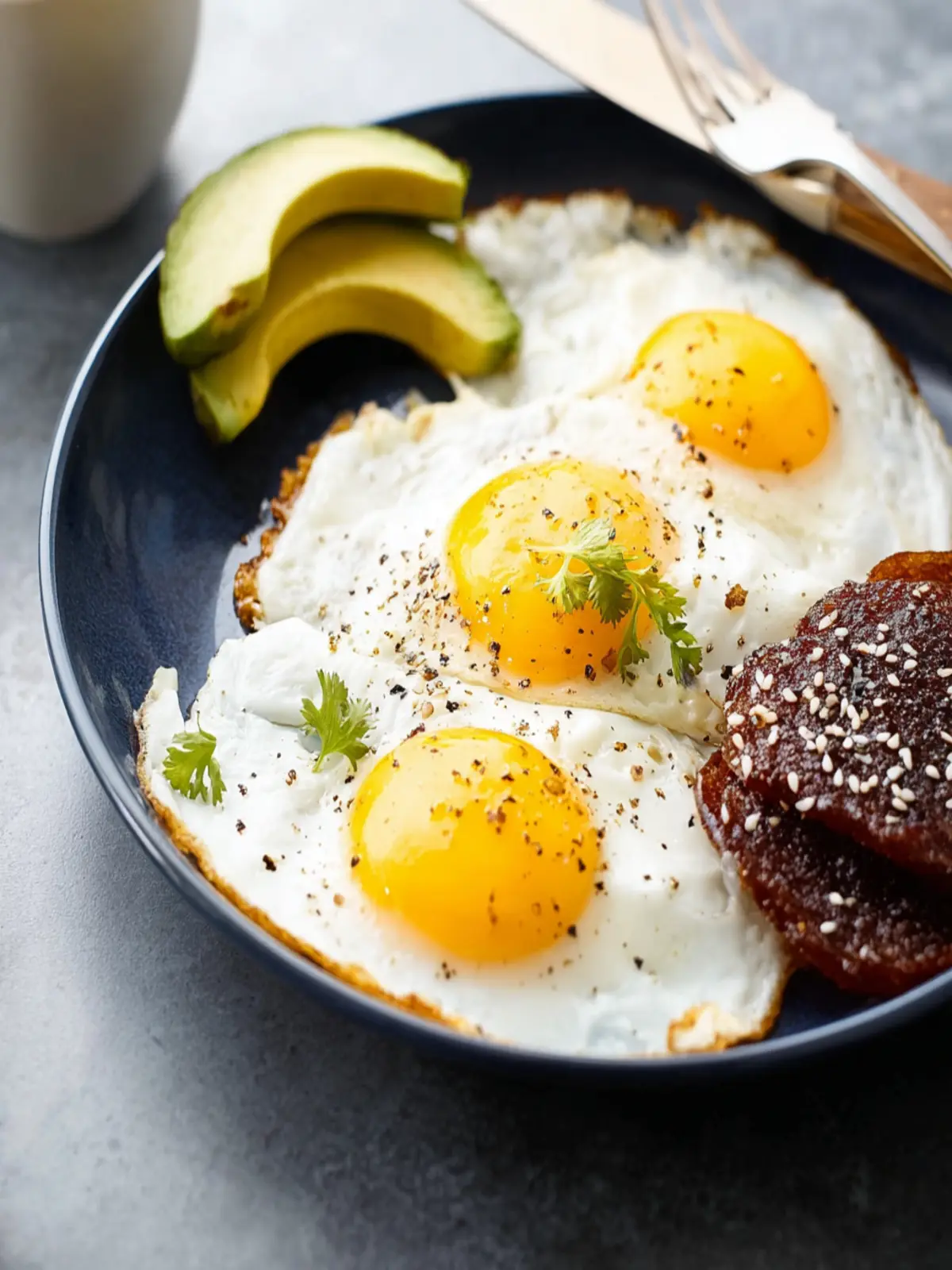
Fried eggs are both easy and delicious. Cook them sunny side up for a runny yolk or over-easy if you prefer a bit more firmness. They make a fantastic topping for everything from avocado toast to burgers.
Baked Eggs
Eggs baked in a dish with vegetables and cheese create a comforting meal. Just crack your eggs into a greased ramekin alongside your favorite ingredients and bake until the whites are set.
Deviled Eggs
Deviled eggs are a hit at gatherings. Mix the yolks with mayo, mustard, and spices, then pipe back into the whites for an elegant presentation. They’re perfect for parties!
Egg Salad
Egg salad is versatile and can be served on sandwiches, lettuce wraps, or crackers. Simply mash boiled eggs and mix them with mayo, mustard, and your favorite seasonings.
Omelets
Omelets are an excellent way to use up leftover ingredients. Whisk eggs and pour them into a hot pan, allowing them to cook while you add cheese, veggies, or meats of your choice.
Frittatas
Frittatas are akin to a baked omelet and are perfect for meal prep. Combine beaten eggs with your favorite fillings, pour into a skillet, and cook until set. They’re just as delicious served warm or cold.
With these fantastic techniques, you can truly master how to cook eggs in a variety of styles, perfect for any occasion!
Cooking Tips and Notes for Eggs
When it comes to how to cook eggs, the versatility of this humble ingredient truly shines. Whether scrambled, poached, or baked, eggs can transform any meal into something delightful. Here are some tips to elevate your egg-cooking game.
-
Freshness is Key: Always choose the freshest eggs you can find. Fresh eggs have a firmer white and a perkier yolk, making them ideal for all cooking methods. If you’re unsure about their freshness, a simple water test can help: submerged eggs that sink are fresh, while floating eggs are best discarded.
-
Temperature Matters: For best results, bring eggs to room temperature before cooking. This is especially important for baking or poaching, as it promotes even cooking.
-
Cooking Techniques: If you want to master how to cook eggs perfectly, pay attention to heat control. Low and slow is often the best approach. This helps prevent rubbery textures—nobody wants that!
-
Season Early: For scrambled eggs, season them with salt right before you start cooking. This allows the salt to penetrate better and enhances flavor. On the other hand, for fried or poached eggs, sprinkle on salt afterward.
-
Experiment: Don’t hesitate to mix and match flavors and techniques. Adding herbs, spices, and cheeses can turn plain eggs into a gourmet experience. Each cooking method can bring out different textures and tastes, so have fun with it!
Applying these tips will inspire confidence as you explore the wonderfully diverse world of cooking eggs. Enjoy the journey!
Serving Suggestions for Egg Dishes
Eggs are a breakfast staple, but their versatility makes them perfect for any meal. Whether you’re mastering how to cook eggs or just looking to spruce up your egg offerings, there’s so much you can do!
-
Serve with Fresh Herbs: A sprinkle of chopped chives, parsley, or cilantro elevates dishes like scrambled eggs or frittatas. Fresh herbs bring brightness and a pop of flavor that takes your eggs to another level.
-
Accompaniments: Pair eggs with sides that complement their richness. Crispy bacon, sautéed spinach, or roasted tomatoes can provide delightful contrasts in texture and taste.
-
Creative Plates: Transform your eggs into a complete meal by serving them on a bed of greens or alongside whole-grain toast. A little avocado or hummus can add creaminess that satisfies.
-
Cheese, Please: Adding a sprinkle of cheese, whether it’s feta, cheddar, or goat cheese, can introduce savory depth to your dishes.
-
Flavor Boosters: Experiment with hot sauces, salsas, or even a drizzle of balsamic reduction for an exciting flavor punch.
With these serving suggestions, your egg dishes will never fall flat!
Time Breakdown for Cooking Eggs
Cooking eggs is a skill as versatile as it is essential. Whether you’re flipping an omelette on a busy morning or poaching eggs for a leisurely brunch, understanding the time involved enhances the experience. Here’s a concise breakdown of the time you’ll need when you learn how to cook eggs in various styles.
Preparation Time
Generally, you’ll want to allocate about 5 minutes for prep work. This includes gathering ingredients, cracking eggs, and setting up your cooking space.
Cooking Time
Depending on the method you choose, cooking times can vary:
- Soft-boiled: 6-7 minutes
- Hard-boiled: 9-12 minutes
- Scrambled: 3-5 minutes
- Fried: 4-6 minutes
- Poached: 3-4 minutes
- Omelette: 5-7 minutes
Total Time
In total, expect to spend about 10 to 20 minutes from start to finish, depending on the cooking method you prefer. With a little practice, you’ll be getting meals on the table in no time!
Nutritional Facts for Eggs
Eggs are a nutritional powerhouse, making them an essential ingredient when you learn how to cook eggs in various ways. Let’s dive into their impressive nutritional profile.
Calories
A large egg typically contains about 70 calories. This modest number makes eggs a fantastic addition to meals without weighing you down.
Protein Content
Eggs are packed with protein, offering around 6 grams per egg. This protein is of high quality, containing all nine essential amino acids, which is why eggs are often regarded as a complete source of protein.
Fat Content
One large egg has approximately 5 grams of total fat, with about 1.5 grams being saturated fat. Eggs also contain all the healthy fats your body needs for energy and cell maintenance.
Vitamins and Minerals
Eggs are rich in several important vitamins and minerals, including Vitamin B12, Vitamin D, riboflavin, and selenium. These nutrients contribute to various bodily functions, from energy metabolism to bone health, making eggs a key player in a balanced diet.
Understanding these nutritional facts can enhance your cooking experience and help you appreciate the incredible benefits eggs bring to your meals.
FAQs about Cooking Eggs
Cooking eggs might seem simple, but there’s an art to it that many home chefs are still discovering. Understanding how to cook eggs is essential for enhancing your culinary skills and elevating everyday meals.
How do you know when eggs are cooked correctly?
The perfect doneness for eggs varies by preference and cooking method. For soft-boiled eggs, look for a firm white and a slightly runny yolk. If you’re scrambling, fluffy eggs should look moist but not watery. A good rule of thumb is to use an instant-read thermometer: Eggs are done when they reach 160°F (71°C) to ensure safety.
What’s the best way to store eggs?
To maintain freshness, keep eggs in their original carton in the coldest part of your refrigerator, typically on a middle shelf. This helps prevent odors from affecting their taste. Eggs can last up to three to five weeks after the purchase date if stored properly, so don’t rush to throw them out!
Can you freeze cooked eggs?
Yes, you can freeze cooked eggs! However, be aware that their texture might change. Scrambled eggs and frittatas freeze best. Ensure they cool completely, then transfer them to airtight containers, where they can last for up to six months. Just remember to reheat them gently to retain some of that fluffy texture.
Are brown eggs healthier than white eggs?
The color of the eggshell doesn’t determine health benefits—both brown and white eggs are nutritionally similar. The difference usually relates to the hen breed and diet. Some might argue that eggs from pasture-raised hens have richer flavor and richer nutrients due to varied diets, irrespective of shell color.
How can you make eggs fluffier?
To achieve fluffier eggs, incorporate air into your egg mixture. Whisking them thoroughly before cooking creates bubbles, which leads to a lighter texture. Adding a splash of milk or cream can help as well—both enrich flavor and contribute to that dreamy fluffiness you’re aiming for!
Conclusion on Cooking Eggs
In the journey of mastering how to cook eggs, the options are limitless and often delightful. You can create everything from decadent omelets to simple boiled eggs that can serve as a nutritious snack. With the right techniques, you can elevate your egg game, impress your friends, and even savor a moment of culinary joy in your own kitchen.
Remember, the versatility of eggs allows you to experiment and find your favorite style. So go ahead, embrace the process of cooking, and make eggs a star in your meals. Whether you prefer them poached, scrambled, or fried, enjoy every bite and the comfort they bring to your plate.
Print
How to Cook Eggs: 10 Ways
- Total Time: 15 minutes
- Yield: 2 servings 1x
- Diet: Vegetarian
Description
Explore various methods to cook eggs perfectly every time. From boiling to frying, find your favorite way to enjoy this versatile ingredient.
Ingredients
Scale
- 2 large eggs
- 1 tablespoon butter
- Salt to taste
- Pepper to taste
Instructions
- Boil water in a saucepan and gently add in the eggs. Cook for 6-8 minutes for soft-boiled or 10-12 minutes for hard-boiled.
- Fry a pan over medium heat and melt the butter. Crack the eggs into the pan and cook until whites are set.
- Whisk eggs in a bowl and pour into a heated non-stick skillet to scramble until just cooked.
Notes
- For soft-boiled eggs, cool in ice water immediately after boiling.
- Experiment with different seasonings and toppings like herbs or cheese.
- Prep Time: 5 minutes
- Cook Time: 10 minutes
- Category: Breakfast
- Method: Boiling, Frying, Scrambling
- Cuisine: American
Nutrition
- Serving Size: 1 serving
- Calories: 155
- Sugar: 1g
- Sodium: 124mg
- Fat: 10g
- Saturated Fat: 3g
- Unsaturated Fat: 7g
- Trans Fat: 0g
- Carbohydrates: 1g
- Fiber: 0g
- Protein: 13g
- Cholesterol: 372mg